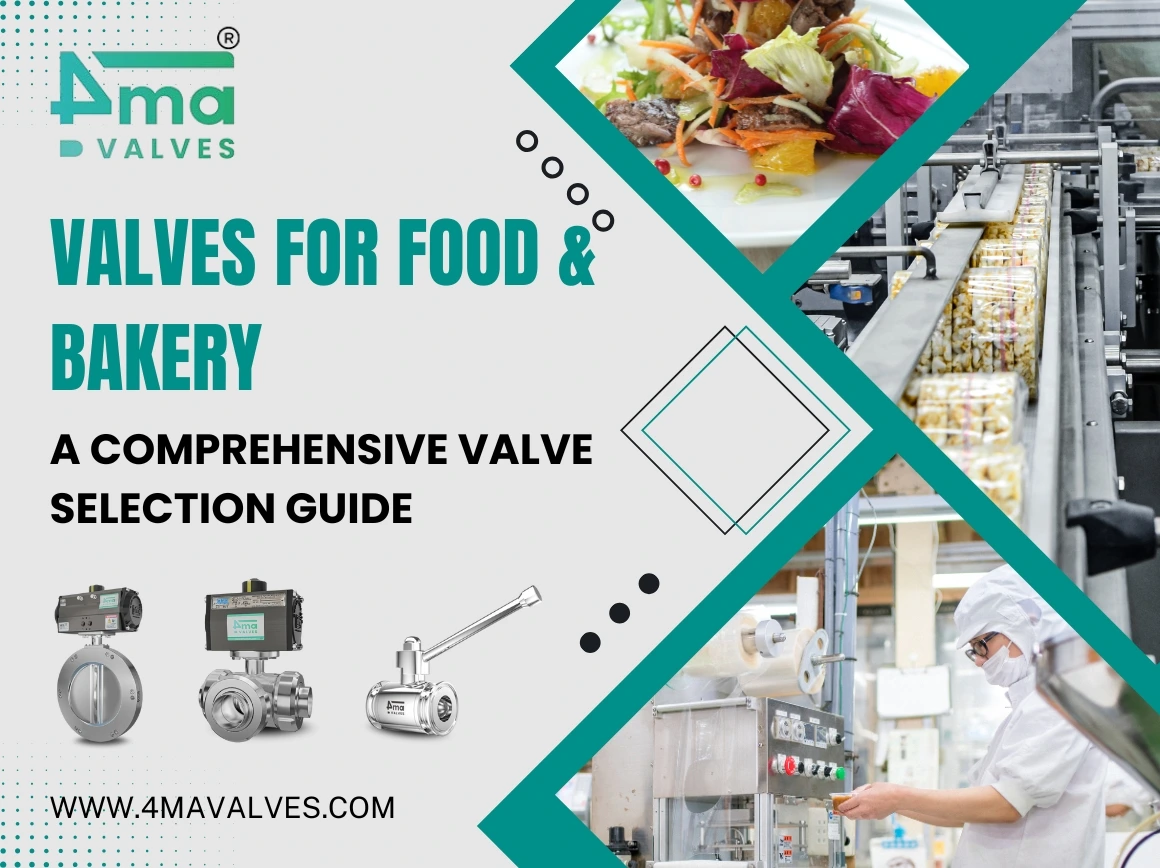
In the food and bakery industry, valves play an essential role in maintaining smooth, safe, and efficient operations. By controlling the flow of media such as water, oil, syrup, and management of steam, air, or cleaning fluids, the right valve ensures simple production without contamination or product loss.
The valve used in bakery applications should meet strict sanitary standards, resist corrosion, and give continuous performance under continuous operation. Any compromise can affect product quality, safety, and compliance with food-grade rules.
In this guide, we will explore how food processors and bakery manufacturers select the right type of valve for their specific requirements. By understanding the role of the valve in bakery operations, you will be better equipped to increase efficiency, maintain hygiene, and choose solutions supporting long-term reliability.
Why Valves Matter in Food & Bakery Processing
Cleanliness and Food Security
In food processing, even the smallest contamination can cause product recall and reputational damage. Sanitary valves with smooth, crack-free designs prevent the development of bacteria, making them easier to clean and sterilize. This ensures that every component flows through a contamination-free path from the flour mixture to the syrup.
Flow Control and Accuracy
Precision is important in bakery operations, whether it is the correct amount of water, injecting filling, or regulating steam for baking processes. Valves provide accurate flow control, which helps to maintain stability in taste, texture, and overall product quality.
Standards Compliance
The bakery industry is governed by strict safety rules such as the FDA, GMP, and 3A standards. Valves are designed to complete these certificates guarantee that equipment aligns with international hygiene and safety requirements, which allows manufacturers to comply and consumers to trust.
Key Valve Types for Food & Bakery Applications:
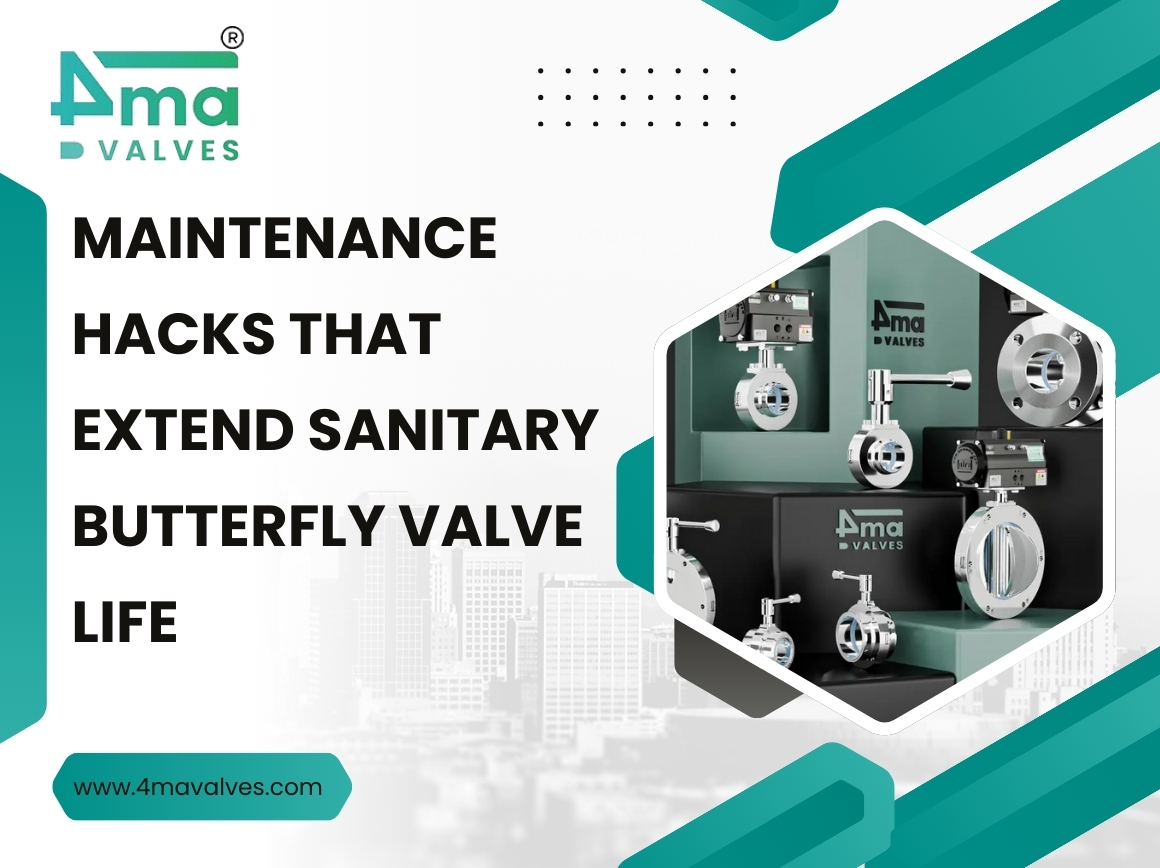
Butterfly Valve:
- Bakery processing lines are widely used for on/off control.
- Easy to clean and maintain.
Ball Valve:
- Suitable for the exact shut-off and handling of coarse media such as cream or filler.
- Strong and long-lasting.
Diaphragm Valve:
- Perfect for the hygiene control of sticky or particle products.
- Easy sterilization and designed for cleaning.
Non-Returns Valve (NRV) / Check Valve:
- The flour, liquid, or pipelines prevent backflow in filling.
- Protects the pump and equipment.
Sampling Valve:
- Sampling valves allow manufacturers to collect product without risking contamination.
- The product ensures integrity.
Factors to Consider When Selecting Valves
Choosing the right valve for food and bakery processing is an essential for industrial applictions. Selection should align with hygiene standards, production efficiency, and long-term reliability.
Here are important factors to take care of:
- Material Selection: The valve used in bakery applications should withstand rust, frequent washing, and contact with various food items. Stainless steel grades such as SS304 and SS316 are widely preferred for their durability, non-reactive nature, and compliance with food safety standards.
- Cleanability: Since hygiene is important, the valve should be designed for easy cleaning and sterilization. CIP (Clean-in-Place) and SIP (sterilization-in-place) reduce compatible valve downtime, ensuring that the system has no residue or bacteria.
- Size and Flow Rate: The valve must match the specific requirements of the bakery. An undersized valve can restrict the flow, while an oversized valve can compromise control. Choosing the right size ensures the transfer of a smooth component, whether it is liquid flour, syrup, or filling, without pressure drops.
- Automation: Modern bakery plants rely on automation for rapid continuity and efficiency. Valves equipped with pneumatic or electric actuators exact control, rapid response time, and a procedure allowing integration with control systems, reduces manual intervention and labor costs.
Also read, Key Steps in a Standard CIP Process for Food, Dairy & Beverage Industries
Best Practices for Bakery Industry Valves
To maximize efficiency and maintain clean standards, bakers must follow proper valve management practices. Applying these best practices helps ensure smooth production, minimum downtime, and long-term reliability.
Regular Inspection and Maintenance:
Routine checks help identify the wear, leaks, or residue buildups before they become major issues. The establishment of a preventive maintenance schedule keeps the valve in a position to do optimal work and extends its service life.
Ensuring Compatibility with The Cleaning Solution:
The valves come in direct contact with the cleaning agents during CIP/SIP procedures. Always verify that seals, gaskets, and valve materials are compatible with detergents and sterilizing agents, which prevent damage or low performance.
Put Spare Parts for Minimum Downtime:
Unexpected valve failures can prevent production lines, which can lead to expensive delays. Keeping important spare parts – such as seals, seats, and actuators – readily available ensures quick replacement and uninterrupted bakery operations.
Conclusion
Valves are important for the smooth functioning of food and bakery production industry. It is not only regulate the flow and maintain process efficiency, but also ensure strict hygiene, product safety, and compliance with global food-grade standards. From handling delicate filling to preventing backflow and enabling contamination-free samples, the correct valve selection supports each stage of bakery operations. 4ma Valves, offers the expert’s support so you can decide it easily what to choose for your application.
By selecting valves designed for hygiene, durability, and precision, bakery operations can enhance product quality by improving operational reliability. Whether it is a butterfly valve for normal flow control, a ball valve for thick media, or a sampling valve for quality assurance, it plays an important role in keeping each production consistent and safe.

 Group of Company


