
In pharmaceutical manufacturing, cleanliness and sterility are non-negotiable. Even the smallest contaminant can compromise an entire batch of life-saving drugs. That’s why CIP (Clean-in-Place) and SIP (Sterilize-in-Place) systems are crucial to maintaining GMP (Good Manufacturing Practices) standards. These automated cleaning and sterilizing processes ensure safety, consistency, and compliance without dismantling equipment.
In this comprehensive guide, we’ll explore the meaning, components, importance, and best practices of CIP and SIP systems in the pharmaceutical industry with a special focus on how 4ma Valves Automation contributes to safe and sterile production environments.
What is CIP (Clean-in-Place)?
CIP is a method used to clean the interior surfaces of pipes, vessels, valves, filters, and other process equipment without disassembly. It uses circulating chemicals, heat, and water to remove residues from previous batches.
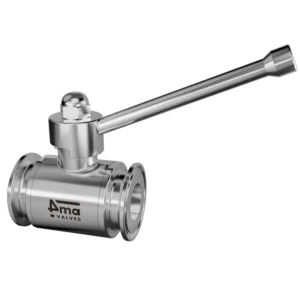
Key Features of CIP
- Automated or semi-automated process
- No need to dismantle equipment
- Ensures repeatable cleaning cycles
- Minimizes downtime
- Reduces human error
Common Steps in a CIP Cycle
1. Pre-rinse: Removes loose debris and residue
2. Caustic wash: Eliminates organic contaminants like proteins
3. Intermediate rinse: Removes residual detergent
4. Acid rinse: Removes mineral scaling
5. Final rinse: Ensures chemical-free system
What is SIP (Sterilize-in-Place)?
SIP is a technique used to sterilize the internal surfaces of processing equipment using saturated steam or chemical agents. It’s often used after CIP to ensure the system is microbiologically clean.
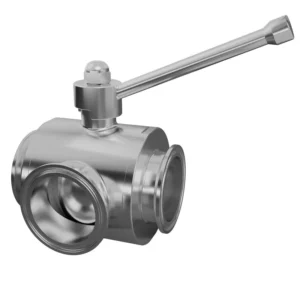
Key Features of SIP
- Uses high-temperature steam or chemical sterilant
- Fully automated with temperature and time controls
- Eliminates pathogens and microbes
- Compliant with GMP and FDA guidelines
Common SIP Agents
- Steam (most commonly used, at 121–135°C)
- Hydrogen peroxide (H₂O₂)
- Peracetic acid
- Dry heat or ethylene oxide (in special cases)
Why CIP and SIP Are Critical in Pharma Manufacturing
The pharmaceutical industry has zero tolerance for contamination. Whether you’re manufacturing tablets, vaccines, or injectable drugs, sterility and cleanliness are vital.
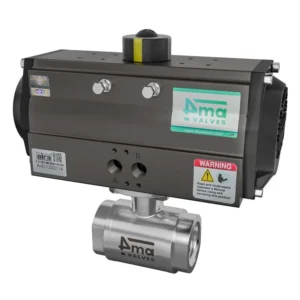
Key Benefits of CIP and SIP in Pharma
- Ensures product quality and patient safety
- Supports regulatory compliance (GMP, FDA, EU guidelines)
- Reduces cross-contamination risk
- Improves operational efficiency
- Eliminates manual cleaning errors
- Reduces water and chemical usage
The Role of 4ma Valve in CIP and SIP Systems
When it comes to implementing effective CIP and SIP systems, the quality of valves used plays a central role. 4ma Valve, a trusted name in sanitary valve manufacturing, delivers high-performance hygienic valves designed for CIP/SIP compatibility.

Why Choose us for CIP and SIP Applications?
Sanitary Design: 4ma’s valves are designed with crevice-free interiors and polished surfaces that eliminate contamination points.
- Steam-Sterilizable Materials: Made from FDA-compliant stainless steel (SS 316L), our valves can withstand high-pressure steam and harsh cleaning agents·
- Automation Ready: Pneumatic and actuated valve options allow seamless integration into automated CIP/SIP cycles.
- Minimal Dead Space: Engineered to reduce dead legs, which harbor contaminants.
- Custom Configurations: Available in clamp-end, weld-end, and tri-clamp models to suit various piping systems.
- Regulatory Compliance: All valves meet international standards such as ASME BPE.
Popular Valve Solutions by 4ma Valve for Pharma Applications
- Sanitary Diaphragm Valves
- Hygienic Butterfly Valves
- Zero Dead Leg Valves
- Sample Valves
- Steam Trap Valves
Optimizing CIP and SIP with the Right Valve Selection
Choosing the wrong valve can lead to incomplete cleaning, bacterial growth or even system failure. Here’s how to optimize your CIP and SIP operations with 4ma Valve’s expert engineering:
1. Consider Flow Paths:
Valves with full-bore design help maintain laminar flow during cleaning and sterilization.
2. Temperature Resistance:
SIP systems reach high temperatures· Ensure valves can withstand thermal cycling without deforming or losing sealing integrity.
3. Seal Compatibility:
Elastomer materials used in valve seals should be resistant to CIP chemicals and SIP steam; EPDM, PTFE, and silicone are ideal.
4. Automation Integration:
4ma Valve’s actuated valves allow full automation of the cleaning and sterilizing cycles, reducing manual intervention and downtime.
5. Compliance & Documentation:
Pharma clients require validation. 4ma Valve provides detailed documentation (IQ/OQ/PQ, material traceability, etc.) for GMP and audit compliance.
Best Practices for Implementing CIP and SIP in Pharma Plants
To ensure optimal results, follow these industry-recommended practices:
Design with Cleanability in Mind:
Avoid sharp bends, dead legs, or uncleanable connections· Use sanitary valves, tubing, and fittings.
Validate Your Process:
CIP and SIP systems must be validated with test data, swab samples, and residue checks.
Monitor Critical Parameters:
Track temperature, flow rate, and contact time for each cleaning/sterilization phase.
Regular Maintenance and Inspection:
Inspect seals, gaskets, and valve seats regularly. Replace worn components promptly.
Sustainability Focus:
Use optimized cleaning cycles to reduce water, steam, and chemical usage. 4ma Valve’s efficient flow designs help minimize wastage.
Industries That Benefit from CIP/SIP with 4ma Valve Products
While pharmaceuticals remain the largest user of CIP and SIP systems, several other high-purity industries rely on 4ma Valve’s hygienic solutions:
- Biotechnology
- Food & Beverage
- Cosmetic Production
- Nutraceuticals
- Dairy Processing
Conclusion
CIP and SIP systems are at the heart of modern pharmaceutical production ensuring equipment is clean, sterile, and ready for use. But these systems are only as good as the components you use, and valves are one of the most critical.
With 4ma Valve’s hygienic, steam-sterilizable, and automation-compatible valves, your CIP and SIP operations run smoother, faster, and cleaner. Backed by decades of industry experience and global certifications, 4ma Valve is your trusted partner in achieving pharmaceutical-grade excellence.
Looking to upgrade your CIP or SIP system? Contact us today to discover the perfect sanitary valve solution for your facility.


 Group of Company


