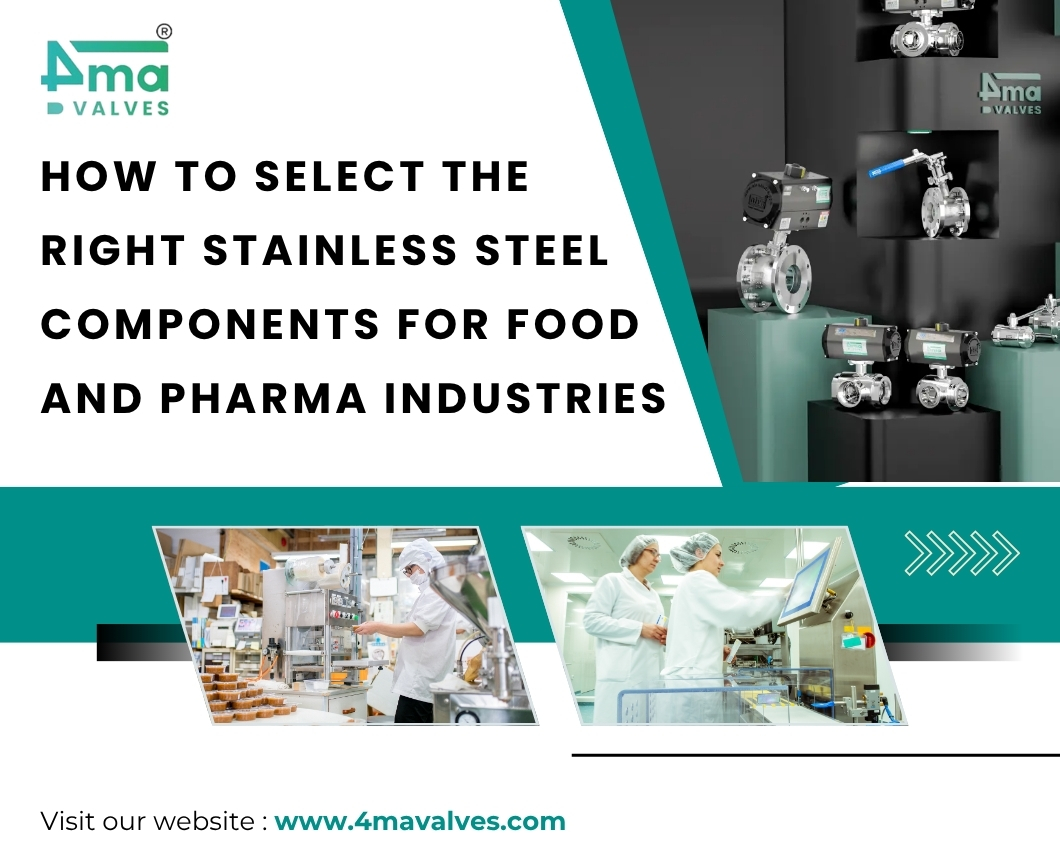
Maintaining hygiene in food and pharmaceutical processing is non-negotiable. These sectors operate under strict regulations where even minor contamination can lead to severe consequences. Stainless steel components play a critical role in ensuring purity, durability, and process reliability. Among them, Stainless Steel Valves form the backbone of safe and smooth flow control systems across both industries.
Why Material Choice Matters in Food and Pharma Processing
Choosing the right material is essential because food and pharma facilities face ongoing risks like contamination, corrosion, and microbial growth. With stringent FDA and GMP guidelines, every component must support hygienic operations. Equipment undergoes frequent cleaning and sterilization cycles—CIP and SIP—which demand materials that can withstand chemical exposure and thermal stress. Stainless steel’s corrosion resistance, smooth finishing, and long-lasting performance make it ideal. Using lower-quality materials can lead to contamination, system breakdowns, and non-compliance, ultimately risking product safety and operational efficiency.
Key Criteria for Selecting Stainless Steel Valves and Components
Selecting stainless steel components involves assessing their material suitability, cleanability, and performance under real operating conditions. Stainless Steel Valves, in particular, must deliver hygienic operation, corrosion resistance, and consistent flow control. The right combination of grade, surface finish, and engineering ensures maximum safety and product quality. Components must also support frequent CIP/SIP processes and withstand harsh cleaning agents used in food and pharma plants. Ensuring each part meets industry standards helps maintain the integrity and reliability of the entire system.
Material Grade Selection
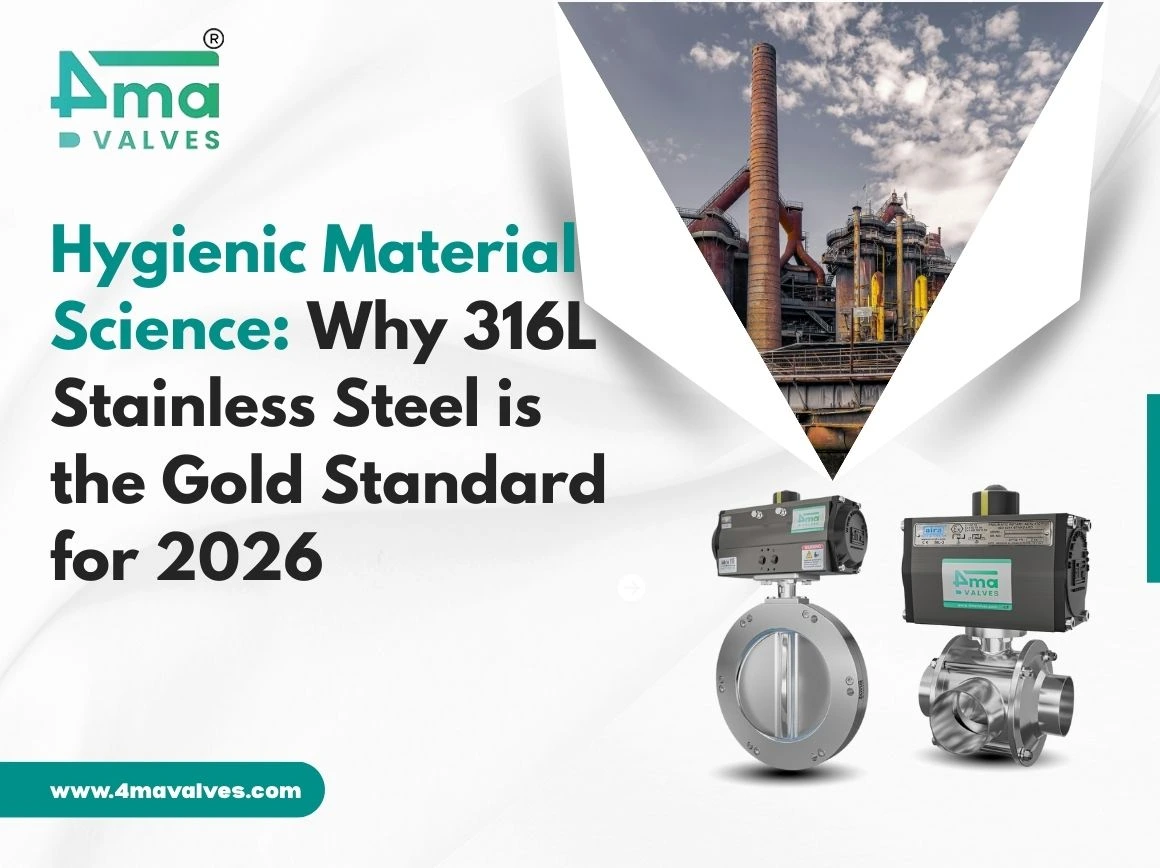
Common stainless steel grades include SS304, SS316, and SS316L. SS316L stands out for its enhanced corrosion resistance and suitability for high-purity applications. Choosing the right grade depends on the type of media, operating temperature, and cleaning chemicals. Ensuring grade compatibility helps maintain long-term durability and hygiene during demanding operations.
Surface Finish & Cleanability
Highly polished surfaces prevent bacterial buildup by reducing microscopic crevices. Stainless steel components must support complete sterilization and be compatible with CIP/SIP procedures. Smooth internal finishes also improve product flow, reduce residue formation, and ensure faster, more effective cleaning cycles.
Application-Specific Considerations for Food Industry
Food processing lines—especially in dairy, beverages, and packaged foods—require components designed for sanitary performance and easy cleaning. Equipment must withstand rapid temperature fluctuations, aggressive cleaning chemicals, and constant water exposure. Preventing flavor carryover is essential to maintain product consistency. Stainless Steel Valves support hygienic flow control, resist corrosion, and ensure reliable operation even under continuous processing. Their smooth surfaces and precision engineering help maintain product integrity while meeting food safety standards.
Application-Specific Considerations for Pharma Industry
The pharmaceutical industry demands sterile conditions where even minor contamination can compromise entire batches. Components must work seamlessly in cleanroom environments and be compatible with purified water, steam, and sensitive active ingredients. Stainless Steel Valves maintain accurate pressure control, prevent cross-contamination, and support sterile transfer of media. They also comply with validation requirements such as material traceability, documentation, and regulatory audits. Their robust construction helps maintain reliability in high-purity pharmaceutical systems.
Design and Engineering Factors That Boost Performance
Performance in food and pharma applications depends heavily on valve and component engineering. Factors such as sealing integrity, precision flow control, and long-term durability shape the safety and efficiency of the system. High-quality stainless steel designs ensure consistent performance, minimize contamination risks, and reduce maintenance downtime. Engineering that supports repeated thermal cycles and chemical exposure helps extend equipment life.
Leak-Free Sealing & Precision Control
A tight sealing mechanism prevents leakage, contamination, and waste. Precision control enables steady operation even under high pressure or harsh conditions. This ensures uninterrupted workflow and product safety, especially in sensitive food and pharma processes.
Durability Under Repeated Cycles
Stainless steel components must withstand aggressive CIP/SIP cycles without deformation or corrosion. Their durability reduces maintenance interruptions, improves operational efficiency, and lowers long-term costs, making them ideal for hygiene-critical industries.
Also, read Stainless Steel – High-Performance Flow Solutions for Hygiene Sensitive Industries
Find out why material choice matters in food and pharma processing. Understand key selection criteria, industry-specific requirements, and the importance of partnering with reliable stainless steel component suppliers.
Working with experienced and certified manufacturers ensures reliable performance, proper documentation, and compliance with industry standards. Trusted suppliers offer quality assurance, customization support, and engineered solutions tailored to specific processes. 4MA Valves Automation is a reliable partner for high-performance Stainless Steel Valves designed for food and pharma applications, ensuring safety, hygiene, and long-lasting operation.
Conclusion & Call to Action
Choosing the right stainless steel components ensures hygiene, regulatory compliance, and seamless operation in food and pharma facilities. Stainless Steel Valves form a critical part of maintaining safe product flow.
Explore high-quality stainless steel flow solutions with 4MA Valves Automation for your essential processing needs.


 Group of Company


