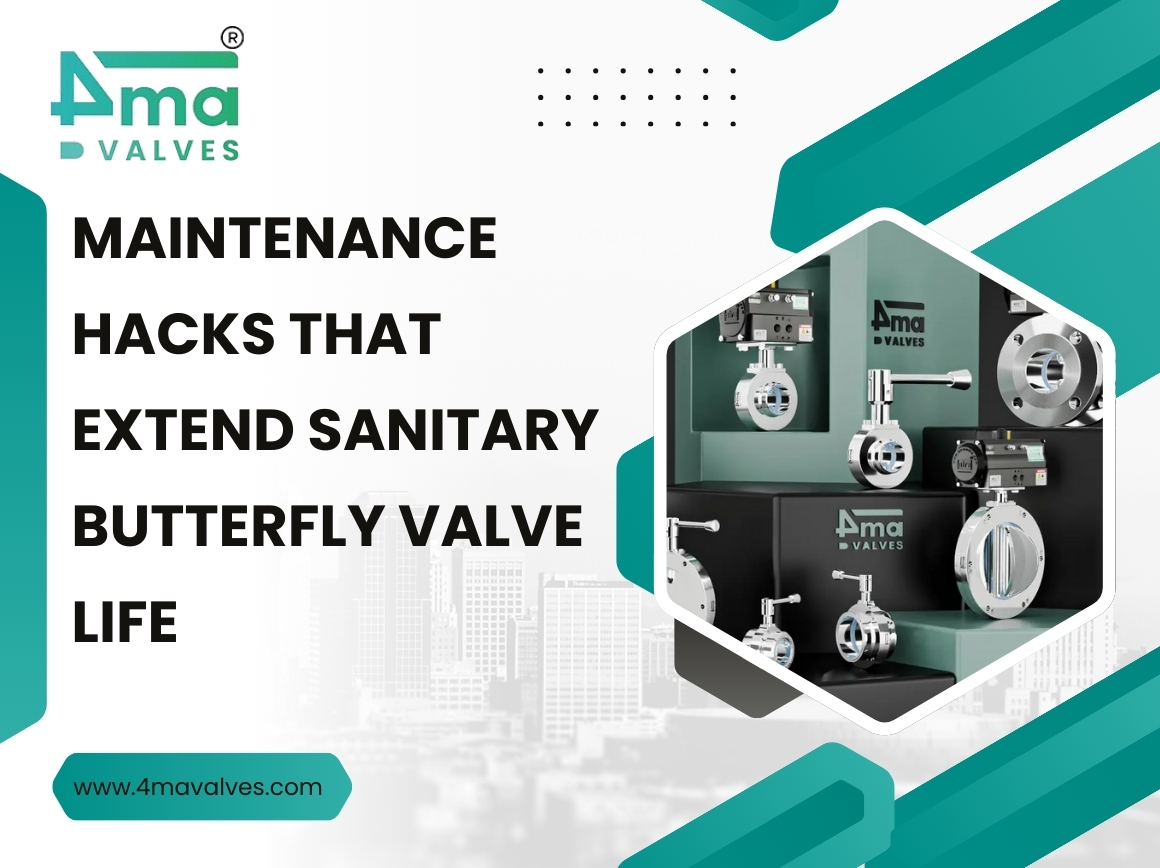
Sanitary butterfly valves run like the heart in a processing line. They control flow, stop contamination, and keep every batch consistent. Food, beverage, dairy, pharma — every hygiene-critical plant depends on them. But here’s the real thing nobody admits quickly: even the best sanitary butterfly valve dies too early when people skip basic maintenance.
Most failures start small. A seal wears out. An operator over-torques the handle. Cleaning chemicals sit too long and eat the metal. None of these happens overnight, but they stack up silently. A valve that should run for years starts leaking in months. This blog exists to stop that.
Let’s walk through simple, practical hacks that extend sanitary butterfly valve life — without expensive upgrades or deep engineering skills.
Understanding Sanitary Butterfly Valves Before Maintenance
Every sanitary butterfly valve works on a simple mechanism. A rotating disc controls flow. That disc connects to a stem and actuator. Seals and gaskets keep the media from escaping. Install it right, maintain it well, and the valve runs clean, smooth, and predictable.
Industries like breweries, clean water plants, biopharma labs, and dairy production lines use butterfly valves because they open and close fast, clean easily, and handle hygienic fluids without fuss. But they also face stricter maintenance needs compared to industrial valves. Hygiene demands top-tier care.
Key Components to Watch Closely
You want your eyes on the main wear parts:
- Disc and stem friction surfaces
- Seats, seals, O-rings
- Stainless gasket interface
- Actuator assembly — pneumatic or electric
Check them like a routine. Small wear today becomes big money gone tomorrow.
Common Failure Points
If you ignore maintenance, the valve reminds you in costly ways. Gaskets start leaking. The disc sticks or scrapes. Micro-contamination builds in dead-legs. Pressure swings stress the shaft. Even torque resistance increases, and that feels small until breakdown hits production volume.
Someone in a cheese plant once shared how a valve went from smooth to scraping over three months. No one lubricated the stem. The disc scarred. Replacement costs more than three months of good lube.
Preventive Maintenance Tips for Sanitary Butterfly Valves
Preventive maintenance sounds boring. But it saves equipment life better than repairs ever do. Think of it like brushing teeth. Stop regular brushing, and decay arrives fast.
Set a Maintenance Cycle
Create a routine. Daily glance checks. Weekly cleaning. Monthly visual disassembly. Quarterly seal inspection. A scheduled sanitary valve maintenance routine adds years, not months, to a valve’s lifespan.
Manufacturing plants that follow this rhythm lose fewer batches and stop emergency downtime almost completely.
Use CIP & SIP Hygiene Standards
CIP cleaning and SIP steam sterilization protect sanitary surfaces. Use proper cleaning agents. Control heat exposure. Rinse completely — residue ruins valves more often than cracks or pressure.
When writing this blog, I remembered a brewery operator saying, “We clean the tank more than the valve.” That habit costs him two valves a year. Don’t repeat that.
Lubricate Where It Matters
Food-grade lubrication reduces friction, stops metal-to-metal stress, and prevents premature seal wear. You only need a thin, even application. Not a greasy flood. Avoid incompatible chemicals. Some plant teams mix lubes unconsciously — bad move. Chemical conflict dries rubber parts faster than heat ever does.
Lubrication, Cleaning & Seal Protection Techniques
This cluster revolves around hygiene-focused care. A clean valve lives long. A well-sealed valve performs like day one.
Cleaners Shouldn’t Kill Seals
Harsh chemicals cut into elastomers. Choose cleaning chemistry carefully. Low-corrosion sanitizers extend sanitary butterfly valve life dramatically. If the media you process contains sugar, beer wort, fats, acids, or enzymes, residue builds fast. Stronger chemicals feel tempting — but don’t overuse them.
Balance matters.
Replace Gaskets & O-Rings With Proper Frequency
Most plants replace these only after failures. Instead, replace them before they cause trouble. Watch for micro-leaks, vibration, stiffness when closing, or discoloration. When gaskets go, contamination isn’t far behind.
Stop Scaling & Residue Deposits
Protein foam, sugar, saline minerals, chemical film — every fluid leaves a mark. Build-up narrows flow channels and strains torque. Your cleaning schedule should remove deposits early. Set a CIP validation sheet where operators log inspections, like daily pressure trend comparison or visual surface checks.
This one habit alone increases valve lifespan significantly.
Smart Operational Practices That Extend Service Life
Maintenance isn’t just cleaning and replacing parts. Operation plays a bigger role than many realize.
Train Staff to Avoid Over-Torque
I’ve watched valves destroyed brutally by people who “tighten more for safety.” That’s not safety. It’s destruction. Over-torque scars the disc, bends shafts, and crushes seals. Standard torque guidelines exist for a reason. Teach staff to feel resistance, not fight it.
Right Valve Position During Shutdown
Valves shouldn’t always rest fully closed or fully open. Positioning depends on product type. Milk or beer residue dries differently. Chemical brine crystallizes faster. Keeping the disc slightly open during shutdown prevents sticky buildup, sometimes saving hours of cleaning later.
Watch Temperature and Pressure Fluctuations
Butterfly valves like stable operating ranges. Excess heat expands metal. Pressure spikes strain seals. Monitor trends, not just readings. Early drift signals trouble. A proactive team spots that.
Pharma engineers often track pressure changes like pilots track weather. Plants that do this enjoy optimal valve health with barely any emergency intervention.
When & How to Upgrade for Extended Longevity
Maintenance helps, but some stages demand upgrades.
Pick the Right Material
304 stainless steel works fine for neutral media. But acidic, saline, or enzyme-rich products require 316L stainless steel. People often regret saving money on material — corrosion costs more than the upgrade.
Retrofit Actuators for Better Control
The pneumatic actuator handles repetitive operations well. Electric actuators offer controlled modulation. Smart monitoring brings predictive maintenance — imagine alerts before a seal fails. That’s where processing plants move next.
Know When Replacement Is Smarter
If you spend more time repairing than operating, step back. Calculate repair costs vs replacement. Sometimes new valves reduce total ownership cost more than repeated patchwork. Look at downtime, leak loss, and cleaning frequency.
Upgrading feels heavy, but smart in the long run.
Quick Maintenance Checklist — Save or Print
A simple list maintenance teams can keep taped near pipelines:
- Daily: quick visual check, feel for torque changes
- Weekly: CIP cleaning + inspect seats
- Monthly: gasket/ seal condition evaluation
- Quarterly: partial disassembly + stem lubrication
- Every shutdown: flush residue + dry storage position review
Create logs. Logs track trends. Trends reveal failures early.
Conclusion
Maintaining sanitary butterfly valves isn’t technical magic. Clean them on time. Lubricate them correctly. Replace seals before they scream. Record pressure shifts. Train operators to value torque. Upgrade when the system deserves it.
These hacks don’t just extend sanitary butterfly valve life — they protect hygiene, ensure quality batches, and stop unplanned shutdowns. Smart maintenance saves money, reduces stress, and builds confidence in every process line.
If you want long-lasting, performance-focused sanitary Butterfly valves — backed by expert advice, superior materials, and reliable automation support — connect with 4MA Valves Automation.
Explore product specs, upgrades, or share your process needs. Our team helps you choose the right sanitary Butterfly valve for long-term efficiency and stability in hygiene.



 Group of Company


