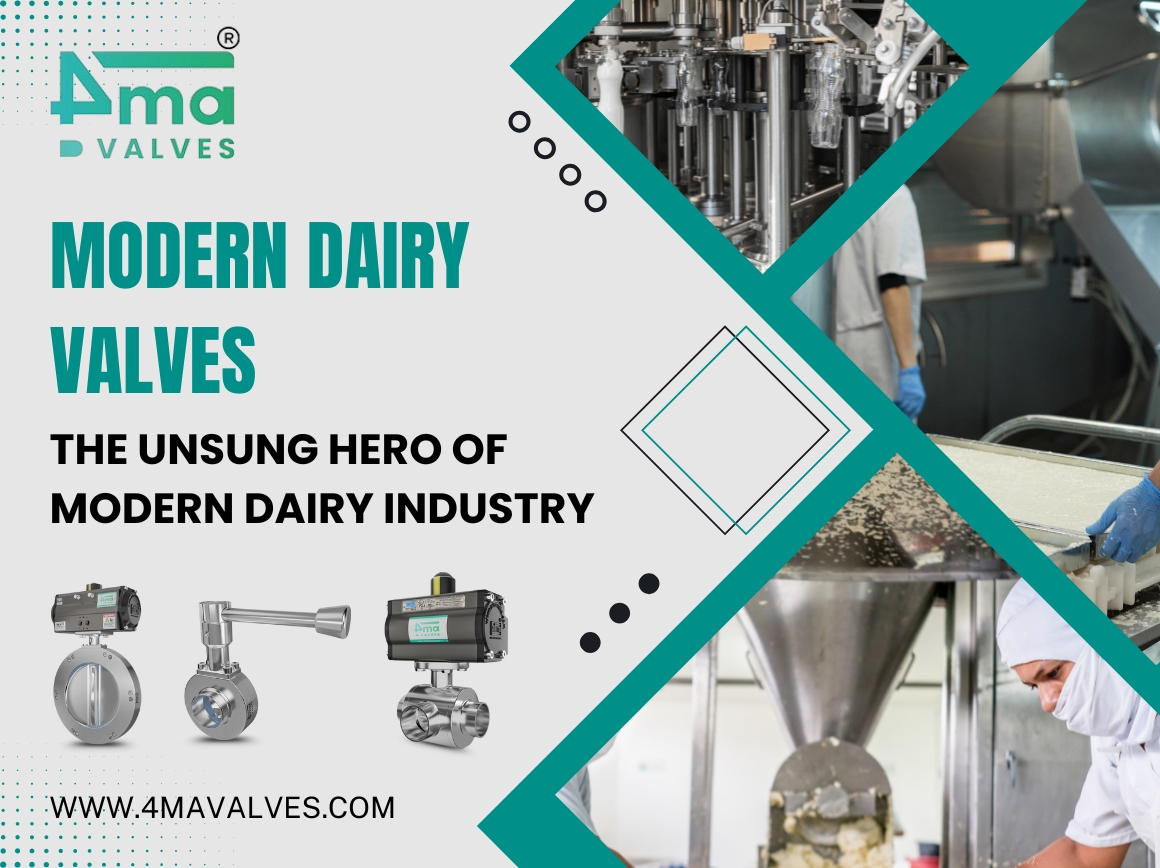
In the modern dairy industry, maintaining the highest standards of hygiene, safety, and stability of the product is non-negotiable. From milk collection to processing and packaging, every step demands accurate control over fluid flow to prevent contamination and ensure similar quality.
While equipment such as westernizers and dividers often takes the spotlight, valves still play a quiet role in these functions. Acting as gatekeepers of flow and pressure, dairy valves are unsung heroes who maintain the integrity of the product, ensure compliance with strict industry rules, and adapt to operating efficiency throughout the production line.
Why Valves Are Crucial in Dairy Processing
The valves are more than just mechanical components in a dairy processing line; they are important for maintaining the integrity and safety of each product.
- Maintaining hygiene standards: In dairy production, even a minor contamination can compromise the entire batch. Dairy valves, especially sanitary and hygiene design, prevent microbial buildups and ensure that milk, curd, cheese, and other products remain safe and clean throughout the entire processing.
- Flow and Pressure Control: Sterile and accurate liquid transfer is necessary for frequent quality. Valves regulate the flow rates and maintain optimal pressure, prevent spills, foaming, or uneven mixture, which can affect the texture, taste, and shelf life.
- Regulatory Compliance: Modern dairy operations should meet strict standards such as FDA guidelines, GMP (good manufacturing practices), and other food safety rules. Properly designed and laid valves help to follow facilities by controlling contamination risks, ensuring traceability, and supporting hygiene processing practices.
In short, valves are the backbone of operational efficiency and security, quietly ensuring that dairy products meet both quality expectations and regulatory requirements.
Key Valve Types in the Modern Dairy Industry
The modern dairy industry depends on a variety of special valves, designed to meet each specific operation and hygiene requirements. Look closely at the most commonly used valve types here:
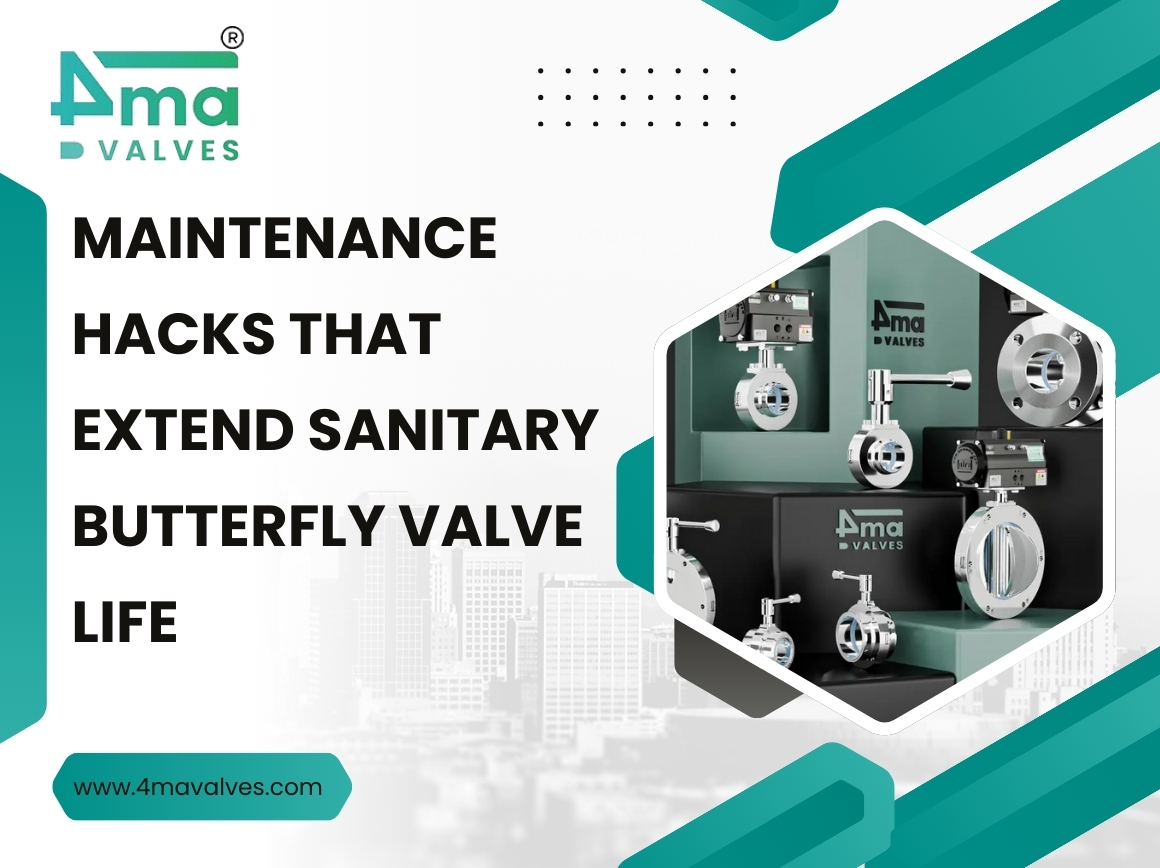
- Butterfly Valve: Butterfly valves are widely used for milk and beverages on/off control. Their simple design allows for quick operation, while stainless steel sanitary versions make cleanliness and maintenance easier. These valves ensure smooth flow control without compromising hygiene. Explore our Sanitary stainless steel butterfly valves
- Ball valve: Ball valves are ideal for coarse dairy products such as creams, yogurt, and butter. They provide a tight shut-off, reduce leakage, and also provide a long service life under frequent use. Their strong design ensures reliability in demand for dairy processes. Watch our series Hygienic Ball Valve SS316
- Diaphragm Valve: Diaphragm valves are essential in applications requiring sterility and clean-in-place (CIP) or Sterilize-in-Place (SIP) processes. Their smooth, uninterrupted flow path makes them perfect for sensitive dairy operations where contamination should be avoided. Explore our Sanitary Diaphragm Valve
- Check valve (non-return valve): Check valves stop backflow during milk and liquid transfer, protect pumps and other equipment. They are important in maintaining operational efficiency and ensuring product quality. Check our Sanitary check valve
- Sampling Valve: Sampling valves allow safe, contamination-free samples of dairy products for quality testing. These valves are designed for hygiene and ease of use, ensuring accurate tests without disrupting production. Watch our series of Hygienic Sampling Valves.
Innovations in Modern Dairy Valves
The dairy industry is developing, and therefore there are valves that run it smoothly. Modern innovations have transformed valves into smart, durable and highly efficient components from simple flow controllers.
- Automation: Pneumatic and Electric Actuators now allow the valves to automatically operate, reduce manual intervention and improve overall procedure efficiency. Automatic valves ensure accurate control over flow and pressure, making dairy operations fast, safe and more reliable.
- Smart Valve: Equipped with the sensor, modern dairy valves can monitor the flow, temperature and pressure in real time. This data-driven approach helps operators to detect discrepancies, adapt production and maintain product quality by continuously reducing waste.
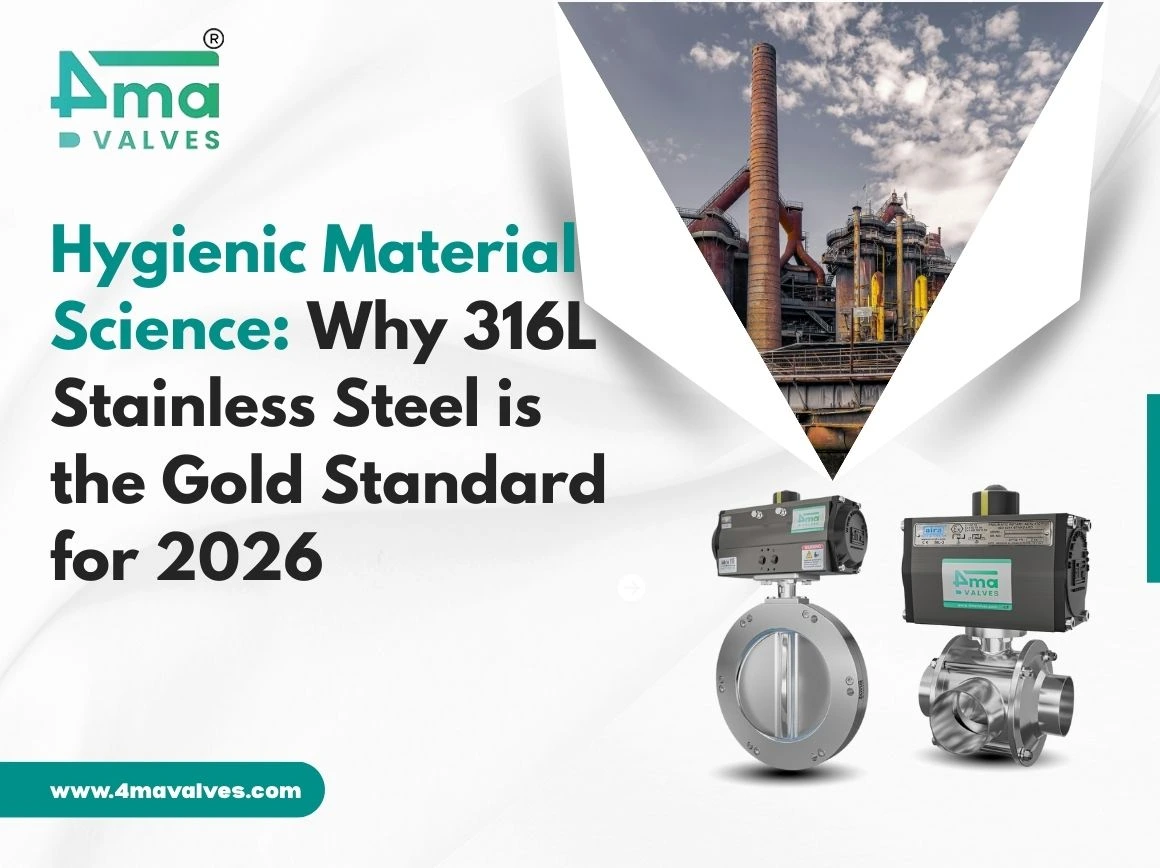
- Material Progress: Using high quality materials such as SS304 and SS316 stainless steel ensures excellent corrosion resistance and long -term durability. These materials are ideal to safely handle milk and other dairy products while understanding frequent cleaning and sterilization processes.
These innovations, modern dairy valves play an important role in improving operating efficiency, protection of products and supporting clean practices in the industry.
Factors to Consider When Choosing Dairy Valves
It is important to select the right valve to maintain proficiency, safety, and hygiene in dairy operations. Many major factors should guide your decision:
- Cleanliness and sterilization compatibility: The valve should support strict cleaning and sterilization procedures, such as CIP (clean-in-place) and SIP (Sterlize-in-Place), without compromising on performance. Smooth surfaces and clean designs reduce the risk of the development of bacteria.
- Material and Ceiling Options: Various dairy products require valves made of compatible materials. Stainless steel (SS304/SS316) is widely preferred for its corrosion resistance, while seals face milk, cream, and other dairy fluids without production loss.
- Flow Rate and Pressure Requirements: The valve should be chosen based on the specific flow rates and pressure of your production line. Proper size ensures efficient transfer, reduces wear, and maintains the quality of the product.
- Maintenance and Spare Part Availability: Easy maintenance and easily available spare parts are required to reduce downtime. The valves that are different, clean and simple for service, help to run the production lines smoothly.
Considering these factors carefully, dairy manufacturers can ensure long-term reliability, hygiene, and optimal performance from each valve in their system.
Best Practices for Dairy Valves:
To maximize efficiency and expand the life of a dairy valve, the processor must follow a set of perfect practices:
- Regular inspection and preventive maintenance: Routine checks help to identify wear, leaks, or potential failures before they cause damage. Preventive maintenance ensures that valves work at extreme performance and reduces unexpected breakdowns.
- CIP/SIP compliance: The valve must be integrated with a proper clean-in-place (CIP) and Sterilize-in-Place (SIP) system to maintain the highest hygiene level. This prevents contamination and maintains production according to food safety standards.
- Staff Training: Even the best equipment requires efficient handling. The correct valve is important to maintain stability and reduce errors in operation, cleaning procedures, and troubleshooting.
By adopting these practices, dairy plants can improve smooth operation, product quality protection, and reliability of their processing systems.
Conclusion
In the rapid book of dairy processing and in the hygiene-powered world, valves can not always be in the headlines, but their importance cannot be overstated. From regulating the flow and maintaining strict hygiene standards to ensure compliance with the Food Safety Rules, they play a hidden role in every stage of production. Without a reliable valve, it would be impossible to achieve efficiency, product stability, and long-term operational protection.
For dairy manufacturers, investing in the right valves is not just an option – this is a requirement for reliable production and permanent development. With advanced solutions from 4ma valve, the industry can continue to depend on these silent heroes to run the operation smoothly and safely.
Transform your dairy operation with innovative technology. Now contact 4ma valves and experience unmatched credibility and compliance.
Also read, Valves for Food & Bakery

 Group of Company


