
In the food, dairy, and beverage industries, keeping things clean is super important. Any dirt, leftover product, or bacteria can spoil everything and even harm people. That’s why companies use something called a Clean-in-Place (CIP) system. It helps clean equipment like pipes and tanks without opening or taking anything apart. In this blog, we’ll explain how CIP works and how 4ma Valves helps make the process smooth, safe, and fast.
What is CIP and Why It Matters
CIP, or Clean-in-Place, is a method where machines and pipelines are cleaned from the inside automatically, without any manual scrubbing or dismantling.
Why CIP is So Important for Food, Dairy, and Beverage Industries
In the food, dairy, and beverage business, even a little bit of leftover product or bacteria can ruin entire batches or make people sick. For example, in a dairy plant, leftover milk can quickly attract bacteria. In a juice or soft drink factory, sugar makes it easy for germs to grow. If the equipment isn’t cleaned properly, things can go bad very fast.
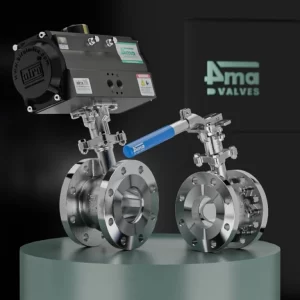
CIP helps avoid these problems. It makes sure everything is properly cleaned and ready for the next batch. This means better quality, fewer health risks, and following food safety rules. Plus, it saves time because there’s no need to take apart the machines every time.
To learn about CIP & SIP in Pharma Sector read out another Insight: Ultimate Guide to CIP and SIP in Pharmaceutical Production
Main Steps in a Standard CIP Process:
A regular CIP system goes through four main steps. Each one is needed to make sure the equipment is 100% clean and safe to use.
1. Pre-Rinse
First comes the pre-rinse. Water is used to remove loose dirt, food, or product left inside the pipes and tanks. This step helps make the chemical cleaning more effective. It also reduces the amount of detergent needed later.
2. Chemical Cleaning
Next is chemical cleaning, which is the main part. Special cleaning liquids (usually either alkaline or acidic) are pumped through the system. These chemicals break down:
- Organic stuff like fat, oil, or protein.
- Mineral build-up like scale or hard water stains
This step may be repeated if the system is very dirty. The cleaning liquids are usually warm and circulated with the right pressure to reach every corner.
3. Post-Rinse
Once the chemical cleaning is done, fresh water is used to rinse off all the leftover chemicals. This is very important. If any chemical is left behind, it can mix with the food or drink later and cause problems.
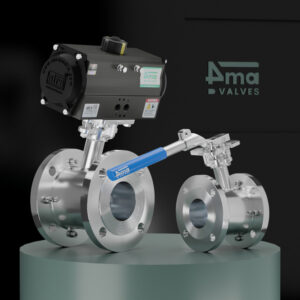
4. Sanitization
The last step is sanitization. This kills any remaining germs. Depending on the plant, it can be done using hot water, steam, or food-safe sanitizers. Once this is done, the equipment is clean and ready to make the next batch of products.
How 4ma Valves Help Improve the CIP Process
4ma Valves is a well-known company that makes valves used in the food, dairy, and beverage industries. Their valves are designed to work perfectly with CIP systems and help make the cleaning process faster and more effective.
Designed for Easy Cleaning
4ma Valves are made with smooth, polished surfaces and no sharp corners or gaps. This helps cleaning liquids flow easily and reach every part of the valve, leaving no place for dirt or bacteria to hide.
Valves Suitable for CIP
- Sanitary Butterfly Valves: Simple and perfect for low-pressure cleaning.
- Diaphragm Valves: Great for clean and sterile pipelines.
- Mixproof Valves: Let you clean and produce at the same time without mixing.
Automation Ready
These valves can be connected to automated CIP systems. That means you can control them remotely, track performance, and even get alerts if something isn’t working right.
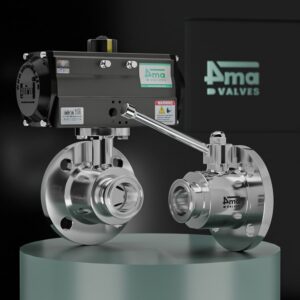
Why Choose 4ma Valves?
- Less water and chemical waste
- Faster cleaning, less downtime
- Leak-proof design
- Follows top safety and hygiene standards like 3A and FDA
- Long-lasting and easy to maintain
4ma Valves also offer expert support to help you choose the right valves and set up your CIP system the right way.
Best Tips to Run an Effective CIP Process
Even with good equipment, there are a few things every company should do to make CIP work well:
Set Clear Procedures
Create proper cleaning steps (SOPs) for each product or equipment. This helps your staff know exactly what to do and keeps cleaning consistent every time.
Track Key Things
Keep an eye on things like:
- Water temperature
- Flow speed
- Time taken
- Chemical levels
You can use sensors and automation to make tracking easier and more accurate.
Test and Check Often
Don’t assume the system is always clean. Use swab tests or water samples to make sure no bacteria or leftover product remains.

Use the Right Valves
Using non-hygienic or low-quality valves can lead to contamination. Invest in certified sanitary valves like those from 4ma Valves to make sure your system stays clean and safe.
Save and Reuse
Where possible, reclaim rinse water or cleaning liquids to save on resources and cut down costs. Many CIP systems now come with tanks and filters to help with this.
Conclusion
In the food, dairy, and beverage industries, cleanliness isn’t optional, it’s the rule. A good CIP system helps keep your equipment clean, your products safe, and your operations smooth. From rinsing to sanitizing, every step is important.
And when it comes to valves, 4ma Valves Automation offers exactly what you need: smart designs, easy cleaning, and reliable performance. Whether you’re running a milk plant, a food processing unit, or a beverage factory, using the right valves and following proper CIP steps will save you time, money, and trouble.
Check out 4ma Valves’ full range of CIP-friendly valves and take your cleaning system to the next level.

 Group of Company


