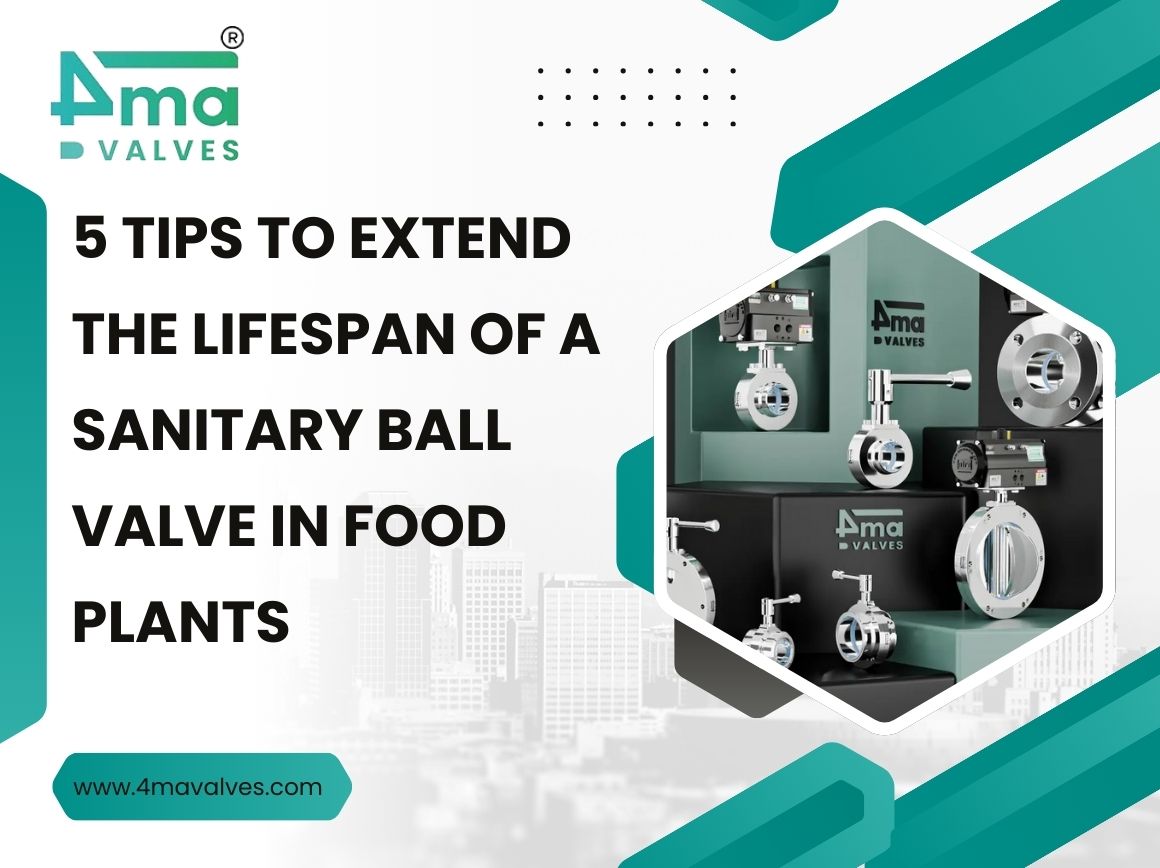
In food plants, a sanitary ball valve does more than control flow. It protects hygiene, supports compliance, and keeps production moving. When these valves fail early, the damage shows up fast—unplanned downtime, product loss, and audit stress. Most failures don’t happen overnight. They come from small mistakes in selection, cleaning, operation, or maintenance.
This guide breaks down five practical tips that actually work on the plant floor. No theory. No fluff. Just real habits that help extend the lifespan of a sanitary ball valve in food plants and reduce long-term operating costs.
Understanding Sanitary Ball Valves Used in Food Plants
A sanitary ball valve follows strict hygienic design rules. It uses smooth internal surfaces. It avoids dead zones. It allows full drainage. Food-grade materials matter here. Stainless steel bodies, FDA-approved seats, and polished bores keep bacteria from settling in.
Unlike industrial ball valves, a hygienic ball valve focuses on cleanability first. The design supports frequent cleaning. It handles CIP cycles without trapping residue. This difference alone explains why industrial valves fail quickly in food plants.
If you need a deeper breakdown, link this section to a glossary page explaining what a sanitary ball valve is and how it differs from standard valves.
Common Applications of Sanitary Ball Valves in Food Plants
Food plants rely on these valves everywhere. Dairy lines use them for milk and cream. Beverage plants run them on syrups and juices. Sauce and condiment lines push thick media through them daily.
Any process that demands hygiene, repeat cleaning, and zero contamination risk needs a food grade ball valve. That constant exposure also explains why lifespan matters so much.
Select the Right Sanitary Ball Valve Material for Food Media
Why Material Compatibility Directly Affects Valve Lifespan
Material mismatch kills valves early. Acidic liquids attack low-grade stainless steel. Sugary media hardens and sticks. High temperatures weaken poor-quality seats.
Many food plants install a sanitary ball valve without matching it to the actual media. The valve works fine at first. Then corrosion starts. Seat wear follows. Leakage appears. The valve gets blamed, but selection caused the failure.
Recommended Materials for Food Processing Environments
SS 316L performs better than SS 304 in most food applications. It handles acids and cleaning chemicals with less surface damage. PTFE seats resist chemical attack and temperature swings.
When you select a sanitary ball valve material correctly, you add years to its life. At 4ma valves automation, material matching remains the first step in every valve recommendation, especially for food processing clients.
Follow Proper Cleaning & CIP Procedures Without Over-Stressing the Valve
How Improper CIP Shortens Sanitary Ball Valve Life
CIP keeps food plants safe, but aggressive cleaning ruins valves fast. High chemical concentration eats seats. Sudden temperature changes cause thermal shock. Excess pressure deforms seals.
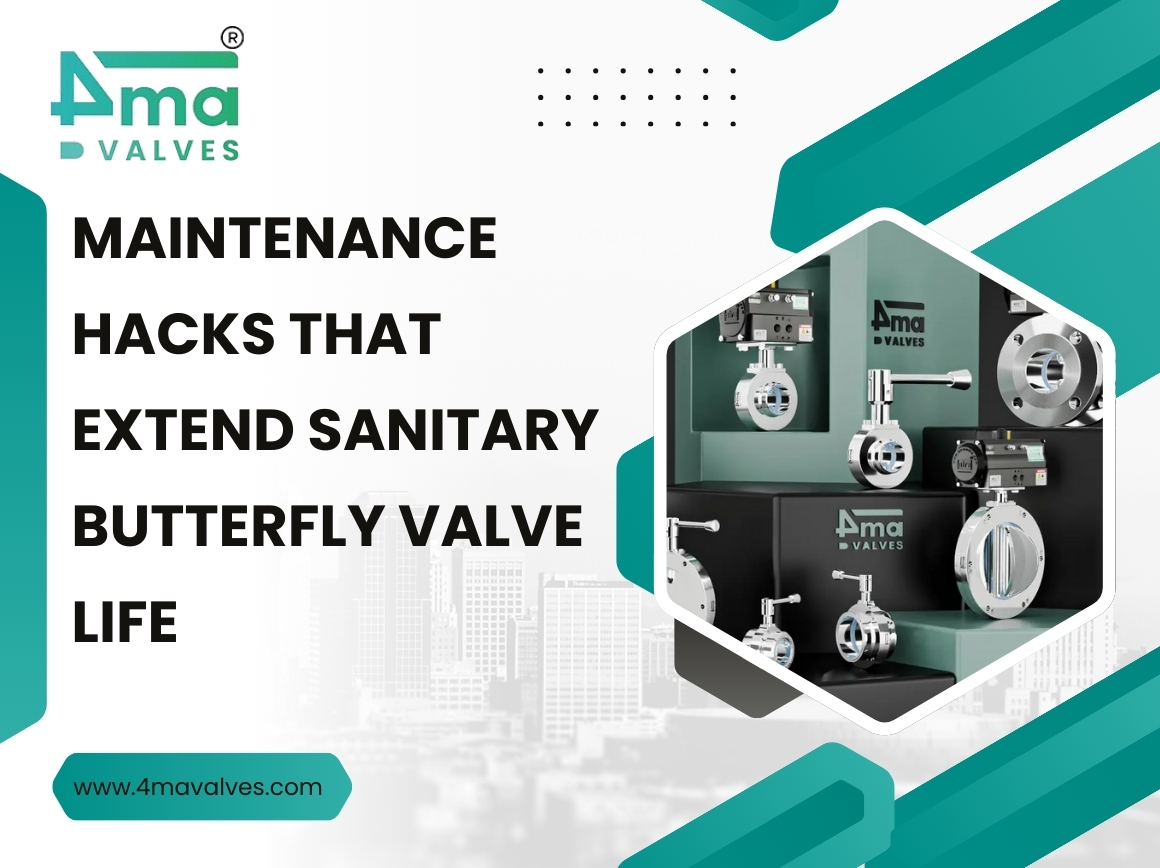
Also read, Maintenance Hacks That Extend Sanitary Butterfly Valve Life
Plants often push CIP systems harder than needed. They assume “stronger means cleaner.” In reality, this habit shortens the lifespan of CIP compatible sanitary ball valves.
Best Practices for CIP-Compatible Sanitary Ball Valves
Run cleaning cycles within recommended pressure and temperature limits. Use full-bore sanitary ball valves so cleaning fluids flush all internal surfaces. Avoid holding the valve partially open during CIP.
When cleaning stays controlled, the valve stays healthy. Link this section to a supporting blog on CIP systems and valve selection for added internal depth.
Prevent Seat Wear and Seal Damage with Smart Operation
Common Causes of Seat and Seal Failure
Seat wear rarely comes from age alone. Operators cause most damage without realizing it. Partial opening under pressure scrapes seats. Abrasive food media accelerates erosion. Excessive cycling stresses seals.
Once seat wear starts, leakage follows. The valve still “works,” but hygiene suffers.
Operational Habits That Extend Sanitary Ball Valve Lifespan
Open and close the valve fully. Avoid throttling with a ball valve. Control actuation speed if you use automated systems. Never allow dry running when media lubricates the seal.
These habits sound simple, but they matter. Plants that train operators on correct valve use see fewer failures and lower maintenance costs. This section can link naturally to a troubleshooting blog covering common sanitary valve problems.
Schedule Preventive Maintenance Instead of Reactive Replacement
Why Preventive Maintenance Is Critical in Food Plants
Food plants can’t afford surprises. Audits demand proof. Contamination risks grow fast when seals degrade. Reactive replacement always costs more than planned maintenance.
A sanitary valve maintenance schedule keeps problems visible before they turn serious. It also protects compliance with food safety standards.
Sanitary Ball Valve Maintenance Checklist
Inspect valves visually during shutdowns. Check torque levels. Replace seats and seals at defined intervals instead of waiting for leaks. Record everything.
Preventive care extends valve lifespan and stabilizes production. At 4ma valves automation, maintenance planning remains a core recommendation for food plants that want predictable performance. This section fits well with an internal link to a maintenance service or support page.
Ensure Proper Installation & Alignment from Day One
How Poor Installation Leads to Premature Valve Failure
A perfect valve still fails if installation goes wrong. Misaligned pipelines stress the body. Over-tightened clamps deform seats. Incorrect gaskets compromise sealing surfaces.
Many early failures trace back to installation shortcuts.
Installation Best Practices for Sanitary Ball Valves
Align pipelines before mounting the valve. Use correct torque values. Select compatible gaskets. Verify orientation and accessibility for cleaning.
Correct installation protects the valve from day one. Link this section to an installation guide or best-practice article for added internal value.
Key Industry Trends Impacting Sanitary Ball Valve Lifespan
Food plants now focus on lifecycle cost instead of purchase price. Automation continues to rise. Actuated sanitary ball valves reduce operator error. Hygiene standards grow stricter every year.
Manufacturers design valves for longer service life and easier maintenance. Plants that adapt to these trends reduce downtime and audit pressure. Ignoring them leads to higher replacement cycles and operational risk.
Final Thoughts – Small Changes That Deliver Long-Term Valve Performance
Sanitary ball valve longevity doesn’t depend on one big decision. It depends on small, repeatable habits. Right material selection. Controlled cleaning. Smart operation. Preventive maintenance. Proper installation.
Food plants that follow these five tips protect hygiene, reduce downtime, and extend valve lifespan naturally. The valve rewards good treatment with consistent performance.
Optimize Your Sanitary Ball Valve Performance Today
If your food plant struggles with frequent valve replacements or unexpected leaks, it’s time to review your current setup.
4ma valves automation helps food processors select the right sanitary ball valve, plan maintenance, and improve long-term performance.
Contact our valve specialists to match the right sanitary ball valve for your specific food plant requirements and reduce downtime before it starts.


 Group of Company


