
If you are working with industries like food processing, dairy, pharmaceuticals, or cosmetics, hygiene isn’t just a goal; it’s a must. Sanitary valves are an essential part of these cleaning systems with controlling fluid flow while ensuring safety and sterility. But one important detail that often gets overlooked is how the valve connects to the system: should you choose a clamp-end sanitary valve or a weld-end sanitary valve?
While both serve the same core function, the way these valves are installed impacts system performance, maintenance, cleaning efficiency, and even production downtime. At 4ma Valves Automation, we offer both types, manufactured to face the highest hygienic standards. In this blog, we’ll explore how these valves work, their pros and cons, and how to choose the best option for your system.
What are Sanitary Valve End Connections?
Before we talk about which one to choose, it’s important to understand what these terms mean.
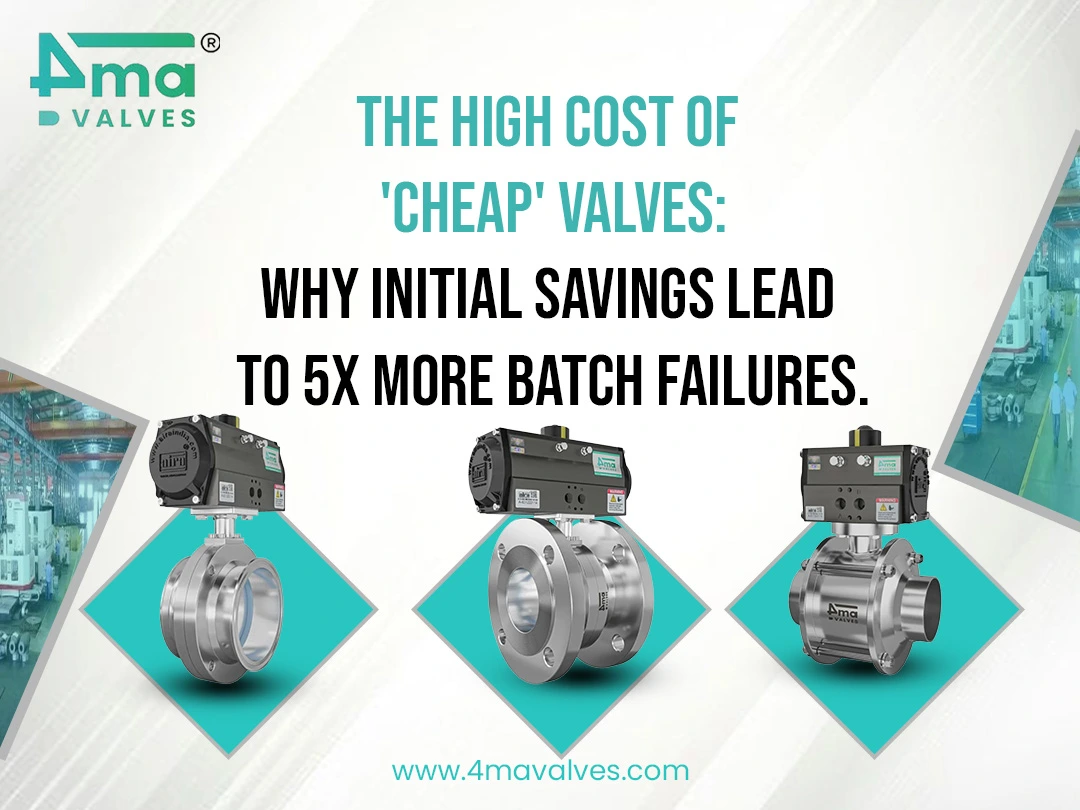
A clamp-end sanitary valve uses a tri-clamp fitting. The valve connects between two pipe ends with a gasket and is held in place by a clamp. This type of fitting is known for quick installation and removal.
A Weld-end sanitary valve, on the other hand, has pipe ends that are welded directly into the pipeline. It becomes a permanent part of the system with no mechanical joints.
The choice between clamp and weld ends affects installation, cleaning, pressure handling, and long-term maintenance. And since these valves play a vital role in hygienic environments, you want to get it right the first time.
Clamp-End Sanitary Valves: Easy, Fast, and Flexible
Clamp-end sanitary valves are widely used across the food and beverage industries due to their simplicity and flexibility. They don’t require any welding or specialized tools for installation. You simply align the pipe ferrules, place the gasket, and secure everything with a clamp. It’s a quick, clean, and tool-free process.
One of the biggest advantages of clamp-end valves is how easily they can be removed. This is especially helpful in applications that require frequent cleaning, inspection, or equipment reconfiguration. In fact, many systems designed for CIP (Clean-in-Place) or SIP (Steam-in-Place) use clamp connections to allow quick access to internal components without shutting down the entire process for long.
Clamp-end valves are also ideal in settings where piping layouts change often, such as pilot plants, R&D labs, or batch-processing units· You can quickly install, adjust, or replace parts with minimal effort, reducing downtime and increasing productivity.
Weld-End Sanitary Valves: Strong, Seamless, and Sterile
On the other hand, weld-end sanitary valves are built for strength, cleanliness, and long-term performance. These valves are directly welded into your pipeline, creating a completely seamless connection. This means no joints, no clamps, and absolutely no risk of product buildup or leaks at connection points.
Welded valves are the go-to choice in pharmaceutical and biotech industries where sterility is crucial. Because there are no crevices or gaskets at the connection, the chances of microbial contamination are minimized. Weld-end valves are also better suited for high-pressure or high-temperature environments, especially those involving SIP systems, where steam sterilization is a regular part of the process.
However, installing a weld-end valve is a more permanent and complex process. It requires skilled labor and proper welding equipment. You also need to polish the internal welds to meet hygienic finish standards (typically Ra ≤ 0·8 μm). Once installed, these valves are harder to remove or replace, making them better for systems that run continuously without frequent maintenance.
Sanitary Valve Installation: Why the End Connection Matters
When you’re installing a sanitary valve, the type of end connection affects more than just how the valve fits into the pipeline, it influences cost, hygiene, pressure rating, flexibility, and maintenance schedules.
Clamp-end sanitary valve installation is incredibly fast. You don’t need a technician or special tools· Just line up the parts, insert a gasket, and tighten the clamp. This is perfect for plants that want to minimize installation downtime or expect to swap parts frequently. However, clamp fittings may not handle extremely high pressures or temperatures as effectively as welded joints, and gaskets may need periodic replacement to avoid leakage.
Weld-end sanitary valve installation, on the other hand, takes more time and effort up front. It requires professional welding and surface finishing to maintain a hygienic interior. But once installed, it becomes part of the system, eliminating the risk of leaks or gasket wear. It’s also a more compact option, which is great for tight spaces.
The choice comes down to the unique needs of your system. Do you value flexibility and ease of maintenance? Or is your priority sterility, strength, and a sleek system layout?
When to Choose Clamp-End Valves
You should consider clamp-end valves if:
- Your system requires frequent cleaning or inspections
- You expect to change the pipeline configuration in the future
- Your application is low to moderate in temperature and pressure
- You want quick installation and easy maintenance
- You’re managing a pilot plant or batch-processing facility
At 4ma Valves, we design our clamp-end valves for fast cleaning, gasket seal reliability, and long-lasting performance in dynamic production environments.
When Weld-End Valves Are the Better Fit
Weld-end valves are ideal when:
- You’re dealing with critical hygiene standards (like in pharma or sterile processing)
- Your system operates under high pressure or temperature
- You want a permanent, seamless valve installation
- You need zero dead zones or contamination risks
- Maintenance access is rare and controlled4ma’s weld-end sanitary valves are built for precision. They’re tested, certified, and polished to meet the toughest quality checks in clean processing.
Why 4ma Valves Offers Both
At 4ma Valves, we believe your system deserves the right fit, not just a standard one. That’s why we manufacture both clamp-end and weld-end sanitary valves, offering options for every hygienic application.
Our valves offer:
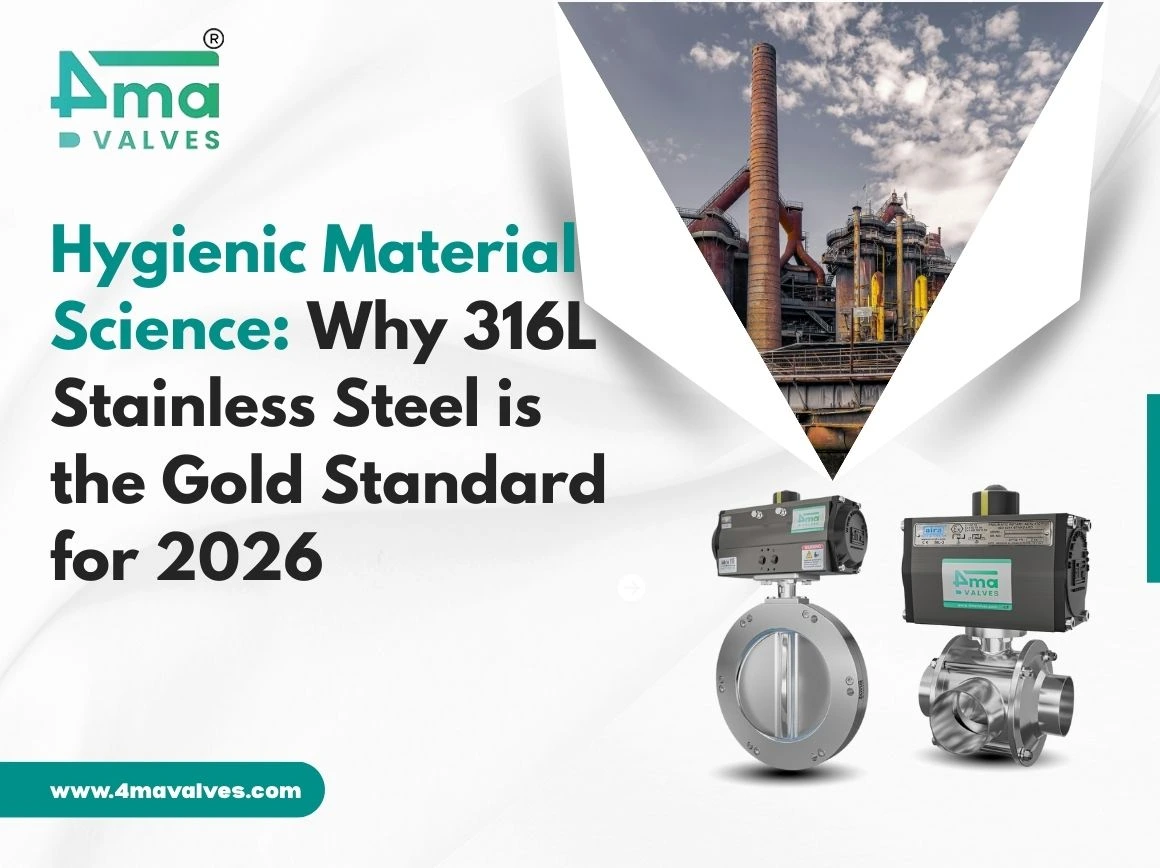
- Made with premium Grade stainless steel
- Available in multiple sizes, pressure ratings, and actuation styles
- Backed by expert support during selection, installation, and service
Whether you need flexibility or full sterility, we have a sanitary valve that meets your technical and regulatory needs.
Final Thoughts
Your sanitary valve’s end connection might seem like a small detail, but it makes a huge difference in performance, hygiene, and overall system success. Choosing between a clamp-end sanitary valve and a weld-end sanitary valve comes down to your system’s demands.
If you want easy maintenance and flexibility, clamp ends are a smart pick. But if you need permanent, ultra-clean performance, weld ends are the way to go.
At 4ma Valves, we help you choose with confidence, ensuring every valve, whether clamp or weld, performs perfectly in your hygienic environment.


 Group of Company


