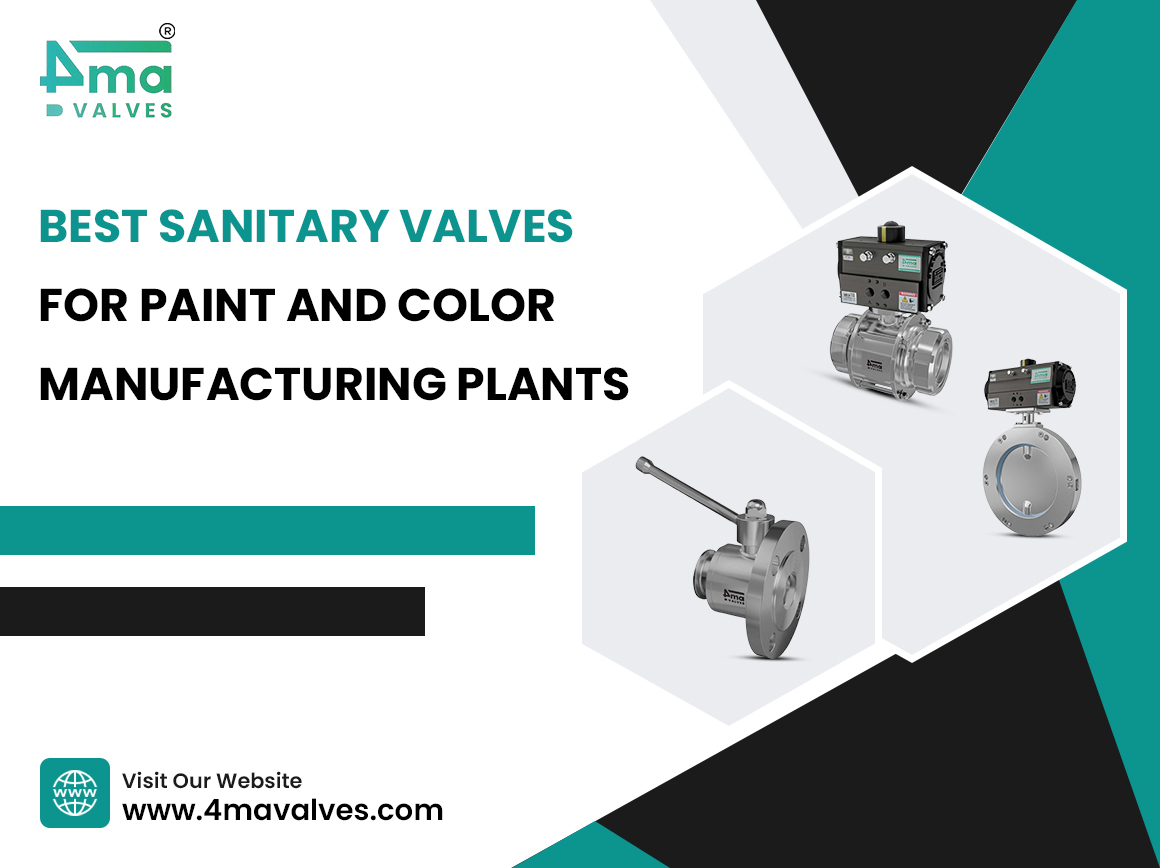
When it’s about paint and color manufacturing plants, every element is important, from the precision of pigment dosing to the cleanliness of your production traces. One regularly hidden component that performs an important role in keeping both the product excellent and operational performance is the sanitary valve.
Paints and colors are chemically complicated materials. Whether you are generating decorative coatings, automobile coatings, business finishes, or areas of expertise pigments, your valves need to address aggressive solvents, viscous resins, and pleasant particulate pigments, all without compromising hygiene or protection. That’s why deciding on the right sanitary valve is crucial for any paint and color manufacturing plant.
In this guide, we’ll explore the styles of sanitary valves ideal for paint manufacturing, the essential capabilities to search for, and how one of the main names in the industry, 4ma Valves, supports these demanding applications.
Why Sanitary Valves Matter in Paint and Coating Production
Sanitary valves aren’t just for food or pharmaceutical use. These specialized valves work efficiently in paint and coloration manufacturing, wherein the threat of intestinal infection or residue buildup can damage entire batches.
1. Hygiene and Cleanability:
Paint production includes continuous batch adjustments, particularly in multi-coloration centers. Sanitary valves are designed with smooth inner surfaces, minimal useless area, and smooth disassembly for cleansing. This facilitates saving you pigment carryover, microbial growth, and blockages from hard paint residues.
2. Chemical Compatibility:
Solvents, alkyds, acrylics, and other chemical compounds utilized in coatings can degrade regular valves over the years. Sanitary valves, frequently made from high-grade stainless steel and equipped with PTFE or EPDM seals, are proof against chemical corrosion and ensure long-term performance.
3. Precision in Flow Control:
Valves play a key role in metering the flow of base liquids, components, and colorants. Sanitary valves offer excessive-precision control, which is essential while dosing pigments or controlling shear-thinning substances like alloys and binders.
4. Support for CIP/SIP Systems:
Many innovative paint centers use Clean-in-Place (CIP) or Steam-in-Place (SIP) structures to clean equipment without dismantling it. Sanitary valves are in particular designed to face up to high temperatures and aggressive cleansing agents utilized in these processes.
What to Look for in Sanitary Valves for Paint Manufacturing
Before deciding on sanitary valves in your manufacturing industry, it’s essential to assess the precise conditions under which they will perform. Here are the top features to look for:
1. Internal Finish:
A particularly polished inner floor (usually Ra ≤ 0.8 μm) minimizes product buildup and eases cleaning. In paint applications, this helps to save you from pigment residues hardening and clogging the valve.
2. Minimal Dead Space:
Valves with crevices or wallets can trap fluid, leading to contamination or spoilage. Sanitary designs avoid this through the usage of streamlined interiors and diaphragm or hollow space-loose buildings.
3. Resistance to Pigments and Solvents:
Choose valves made from SS316L or higher-grade chrome steel. The seats and seals must be well suited to the unique chemicals you use. which includes competitive solvents, thinners, or surfactants.
4. Automation Compatibility:
In today’s technical centers, manual valves are being replaced with pneumatically or electrically actuated versions. Sanitary valves must assist clean integration with PLCs or SCADA systems.
5. Ease of Maintenance:
Quick-clamp connections, top-entry access, and replacement seats make sanitary valves extremely simple to maintain, which is a great reward in continuous manufacturing installations.
Common Types of Sanitary Valves Used in the Paint Industry
Here are a number of the maximum commonly used sanitary valves in paint and coating flora:
1. Sanitary Ball Valves:
These valves are ideal for coping with viscous fluids like resin bases or thick emulsions. Their full-port layout ensures minimal strain drop and allows for high-flow programs. They’re additionally smooth to clean, making them ideal for multi-color plants.
2. Sanitary Butterfly Valves:
Butterfly valves provide small, cost-efficient flow control and are ideal for applications that require common start and stop connections. They are less expensive than ball valves and less difficult to operate. Though Butterfly valves are not ideal for abrasive fluids.
3. Sanitary Diaphragm Valves:
Diaphragm valves are the best choice when hygiene is a non-negotiable aspect. The hollow space-free layout prevents buildup and makes them ideal for dosing touchy pigments or components.
4. Sanitary Control Valves:
When float precision is essential, like in automatic pigment mixing or multi-aspect blending, control valves assist in altering flow rates with minimal mistakes. They can be incorporated with electric control structures for a constant product.
5. Check Valves and Pressure Relief Valves:
These valves are crucial in maintaining secure and efficient operations. Check valves prevent backflow, while relief valves make certain structures, which are not over-pressurized at any point during cleansing or switching.
4ma Valves: A Reliable Choice for Paint Industry Needs
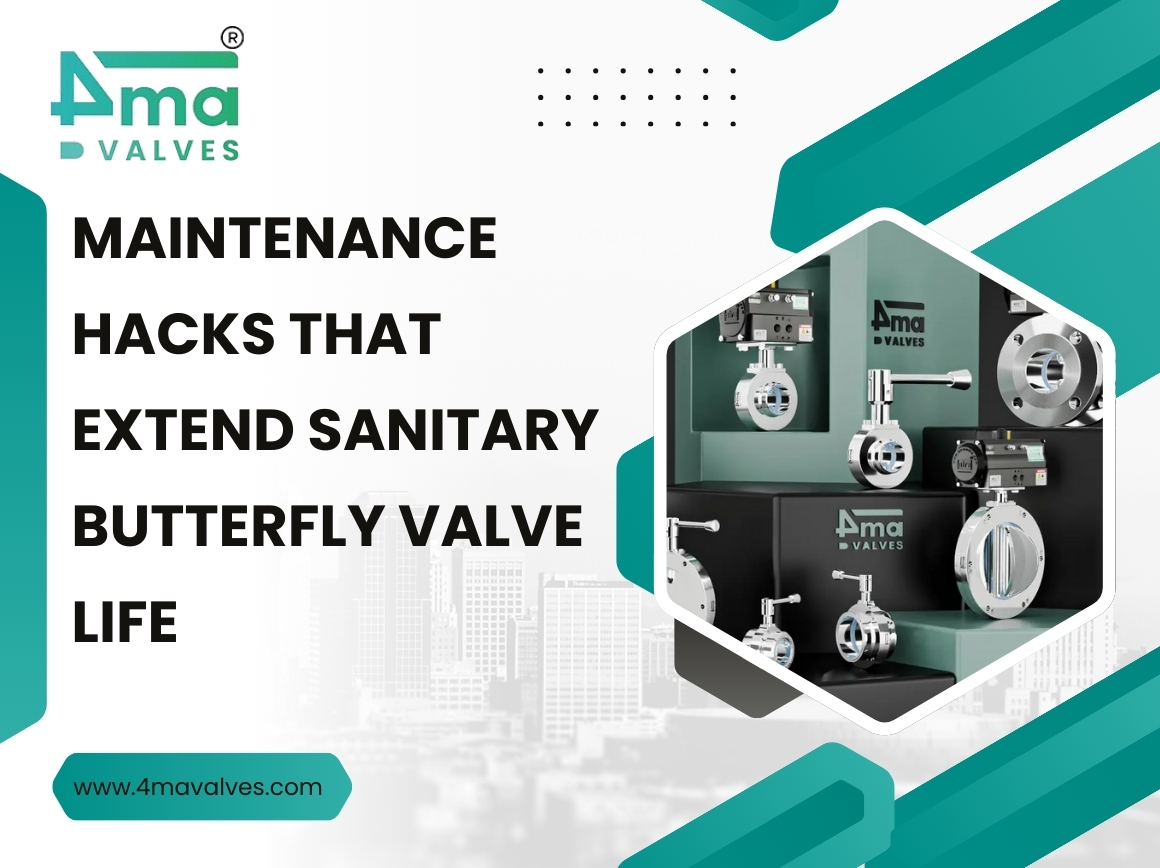
When it involves dependable sanitary valve solutions, 4ma Valves stands proud as a trusted and reliable manufacturer. We are well-known for providing products which benefit long lifespan, smart engineering, and responsive support. 4ma Valves offers various types of valves for industries like paint and chemical processing.
4ma’s high-quality sanitary ball, butterfly, diaphragm, and control valves are manufactured to perform under difficult chemical conditions even as maintaining hygiene and ease of operation.
Effective Maintenance Tips to Keep Your Valve Long-Lasting
To get the most from your sanitary valves, the right care and ordinary checks are crucial:
- Clean after each batch: Especially important in multi-shade facilities.
- Check seal integrity: Worn-out seals can motivate leaks or infection.
- Use like-minded lubricants: Ensure any lubricants used throughout preservation are chemically like-minded with your paints.
- Train operators: Make certain your crew knows how to function and provide valves successfully.
The Right selection of Valve Makes All the Difference
In an aggressive enterprise like paint and color manufacturing, consistency, hygiene, and performance are the whole thing. Sanitary valves play a leading role than maximum realize, now not just in fluid control, but in protecting your product, your application, and your reputation.
Whether you are dealing with water-based fluids or solvent-heavy coatings, the proper sanitary valves ensure that your processes stay smooth, specific, and compliant.
Looking for dependable valves that fit your manufacturing requirements? Consider investing in valves that are manufactured in particular for your industry, valves that don’t just perform, but also perform under pressure.

 Group of Company


